Nvidia Shares Surge 30% After CEO Jensen Huang's Reinstatement
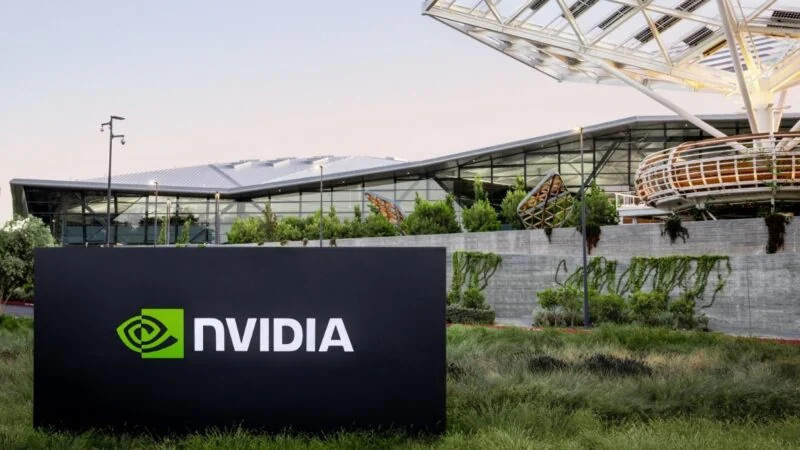
Nvidia shares surged as much as 30% in premarket trading on November 23, 2026, following the announcement of co-founder Jensen Huang's reinstatement as president, CEO, and board director. This rally added approximately $820 billion to $908 billion to the chipmaker's market capitalization, which had previously suffered a significant decline after Huang's resignation on November 12–13, 2026, amid allegations of personal misconduct. The reinstatement came after consultations with U.S. officials regarding national security concerns and discussions with Huang himself.
Huang's return was bolstered by a public endorsement from President Donald Trump, which helped restore investor confidence. Interim CEO Colette Kress resumed her previous role as CFO after Huang's reinstatement. The 30% increase in Nvidia's stock price reflects a peak in premarket trading, indicating the eagerness of buyers at that moment, rather than a closing price.
For Your Trading Desk
Sponsor Spike Success.
Before this rally, Nvidia's market capitalization was around $3 trillion, following a steep decline from earlier peaks of between $5 and $5.7 trillion in 2026. The significant bounce in stock price underscores the fear that had previously affected the market, as investors reacted to Huang's resignation.
Nvidia's Influence on AI Market Dynamics
Nvidia is a key player in the artificial intelligence sector, with its graphics processing units powering many of today's large AI models. The company's performance is crucial not only for its own stock but also for the broader market, as major U.S. stock indexes are weighted by market value. A significant movement in Nvidia's stock can influence overall index performance.
Market Stability in the Wake of Nvidia's Stock Surge
The temporary nature of this stock surge warrants attention. The real test will be whether the gains hold in the following trading sessions and if the new valuation remains stable once the initial excitement subsides. Investors will be watching closely to see if the stock maintains its upward trajectory and how trading volume compares to normal levels. Additionally, the performance of other AI and semiconductor stocks will be closely monitored to gauge the overall health of the sector.
This situation highlights the increasing dependency of market performance on a handful of AI-linked companies. While this concentration can lead to strong returns during favorable conditions, it also exposes broader portfolios to risks associated with news affecting individual companies. As Nvidia navigates this volatile landscape, its leadership and market strategies will be critical in shaping its future and that of the tech sector as a whole.