S&P 500 Faces Longest Losing Streak Since February 2020
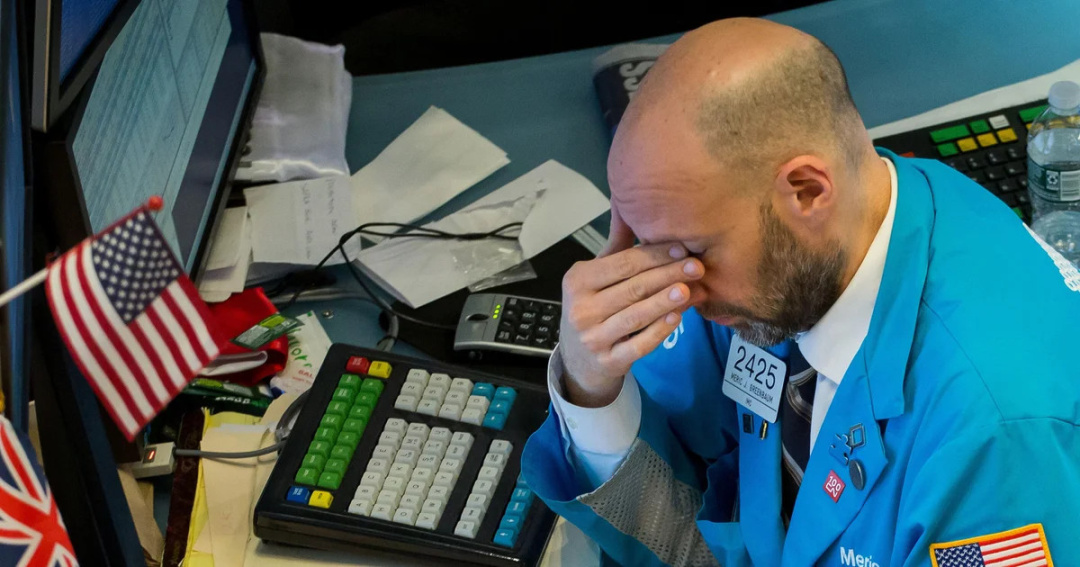
The stock market is currently facing significant challenges, with the S&P 500 on track to record its seventh consecutive day of losses, marking its longest losing streak since February 2020. This downturn follows a period of heightened volatility, reminiscent of the early pandemic days when investors reacted with caution amid uncertainty.
On Friday, the Nasdaq index experienced a sharp decline, falling by 865 points, or 3.5%, during early afternoon trading. The S&P 500 dropped by 2.1%, while the Dow Jones Industrial Average saw a decrease of 0.7%. Several factors are contributing to this negative sentiment among investors.
For Your Trading Desk
Sponsor Spike Success.
One major concern is the substantial investment in data centers and infrastructure necessary for artificial intelligence (AI) development. Investors are increasingly questioning whether these investments will yield the anticipated returns. For instance, Anthropic, the first AI lab to go public, has reported rapid revenue growth but also significant losses, amounting to approximately $104 billion for the first nine months of 2026. This situation has led to a mix of excitement and anxiety in the market, as investors await clarity on whether the software developments can translate into sustainable profits.
Political dynamics are also influencing market behavior. With Democrats poised to gain more influence in Congress, there are fears that new regulations could restrict the construction of data centers, which could impact major tech companies heavily invested in AI. Analyst Dan Ives noted that the combination of a Democratic victory and concerns about anti-AI sentiment in Washington is contributing to the current selloff.
Federal Reserve's Rate Hike and Geopolitical Tensions Impacting Markets
Additionally, the Federal Reserve is expected to raise interest rates in its upcoming December meeting, as inflation continues to exceed the central bank's target of 2%. Higher interest rates could dampen consumer spending and business investment, further complicating the economic landscape.
Geopolitical tensions are adding another layer of uncertainty. Reports suggest that the U.S. and Israel may consider military action against Iran, which could lead to increased oil prices and further inflationary pressures. Adam Crisafulli, an analyst, indicated that the global chip industry is already feeling the effects of new export restrictions imposed by Washington, which could have far-reaching consequences for technology companies.
Political Uncertainty and Investment Caution Amid Market Volatility
As lawmakers approach a December 11 deadline to extend funding for federal agencies and avert a government shutdown, there is concern that negotiations could falter, particularly with some congressional Democrats advocating for restrictions on funding related to military actions in Iran. This political uncertainty could exacerbate market volatility in the coming months.
Investment professionals advise caution during this turbulent period. While it is essential to stay informed, they recommend against panic selling, which can lead to significant losses. Historical trends show that investors who sold during previous downturns, such as in February 2020, missed out on substantial market recoveries. Ives emphasized that the current tech sell-off reflects a broader skepticism about the future of the fourth industrial revolution, suggesting that maintaining a long-term perspective may be prudent for investors navigating these challenging times.