Dow Jones Sees Significant Drop Ahead of Nvidia Earnings Report

On November 17, 2026, Wall Street faced a challenging trading session, marked by a significant drop in the Dow Jones Industrial Average. The decline was largely attributed to investor caution ahead of Nvidia's fiscal Q3 2027 earnings report. As traders braced for the results, many opted to reduce their exposure to risk, leading to intraday losses of over 700 points for the Dow.
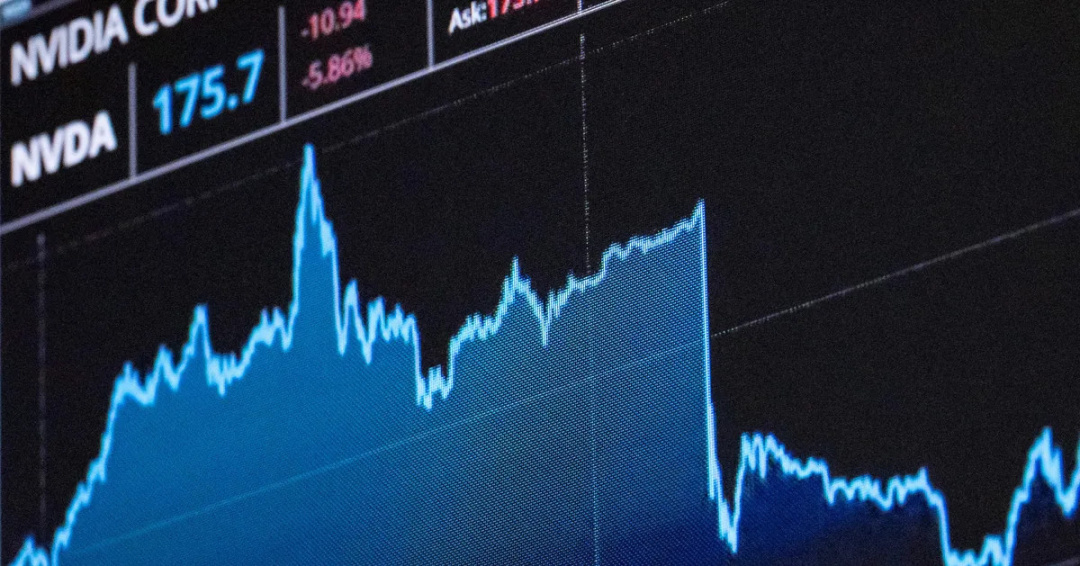
The S&P 500 and Nasdaq Composite also felt the pressure, each losing more than 1% during the day. Nvidia's stock itself saw a decline of between 1.5% and 3.7%, continuing a downward trend that has seen its shares drop by as much as 24% over the past month. This widespread sell-off was not limited to Nvidia but extended to other companies within the AI sector, indicating a broader reevaluation of tech stock valuations.
For Your Trading Desk
Sponsor Spike Success.
Analysts have projected Nvidia's revenue for the quarter to be around $109 billion, representing a remarkable 90% increase compared to the same period last year. Earnings per share are expected to be approximately $2.47. However, investor sentiment is heavily influenced by Nvidia's long-term guidance. A strong quarter coupled with cautious future projections could lead to further declines in stock prices, while confident guidance might stabilize the market.
Nvidia's Earnings as a Barometer for AI Sector
Nvidia has become a key indicator for the AI sector, with its chips being central to the industry's growth. As such, its earnings report is viewed as a critical barometer for the overall health of the AI market. The recent sell-off underscores the growing concerns regarding AI stock valuations and the potential impact of interest rate changes on future earnings expectations.
Market Dynamics and Investor Sentiment
Investors are advised to closely monitor three key aspects when Nvidia's results are released: whether the revenue meets the anticipated $109 billion, if the earnings per share align with the expected $2.47, and most importantly, the company's outlook for the upcoming quarters. The implications of Nvidia's performance extend beyond its own stock, affecting the broader market and highlighting the risks associated with concentrated investments in the tech sector.
The current market dynamics illustrate how a single company's performance can significantly influence major indices like the Dow, S&P 500, and Nasdaq. For investors who believed they were diversified, the reality may be that they hold more exposure to AI stocks than anticipated. This situation serves as a reminder of the interconnectedness of the market and the potential risks that come with sector concentration.