Goldman Sachs Highlights Low S&P 500 Protection Costs Before Nvidia Earnings

Goldman Sachs derivatives strategist Brian Garrett has pointed out that the cost of seven weeks of protection on the S&P 500 is now less than the amount the index dropped in a single trading session just weeks ago. This observation arrives at a critical time as Nvidia approaches its earnings report without the leadership of its CEO, Jensen Huang, who resigned on November 12, 2026.
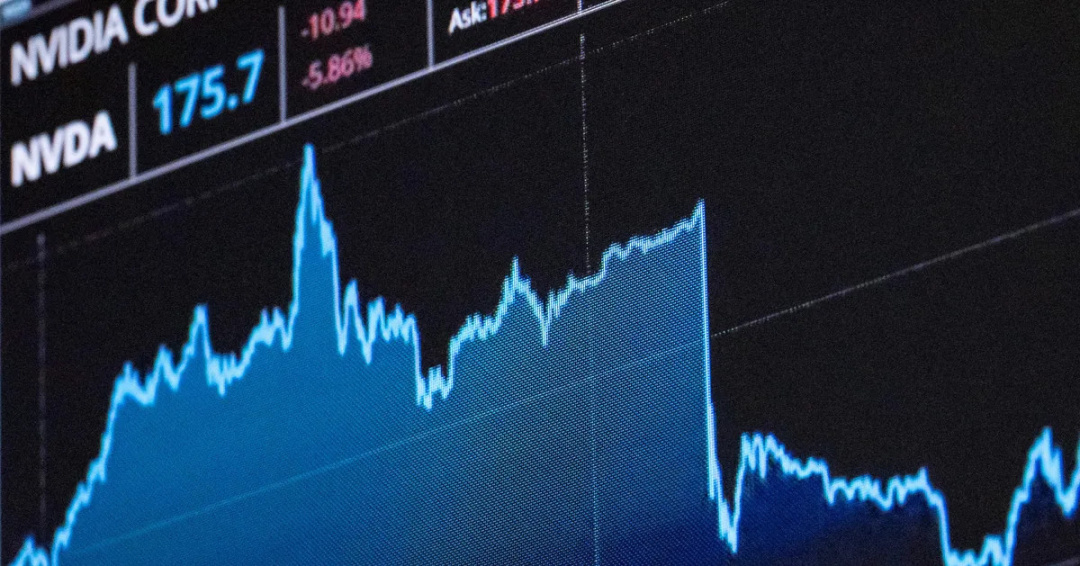
The recent volatility in the market is underscored by Goldman’s Panic Index, which measures market stress and had spiked above 9 during a recent selloff. However, this index has since eased as options pricing has returned to more typical levels. In the week leading up to Garrett's note, Nvidia's stock experienced a significant decline, reportedly falling between 12% and 19% following Huang's departure, with CFO Colette Kress stepping in as interim leader.
For Your Trading Desk
Sponsor Spike Success.
Garrett's analysis highlights a stark contrast between the cash and options markets. While stock traders appear skeptical, the options market suggests a belief that the worst may be over. This divergence indicates that options traders are pricing in a sense of calm, suggesting that they believe the recent turmoil has been absorbed by the market.
Nvidia's Earnings Report: Market Implications and Leadership Scrutiny
The timing of this analysis is particularly interesting as Nvidia's fiscal results are set to be released on November 17-18, 2026. Historically, Nvidia's earnings reports have had substantial implications for the market, with prior implied moves affecting over $200 billion in market capitalization. Investors will be closely scrutinizing not only the revenue and guidance but also the implications of leadership changes on the company's future direction.
As the market anticipates Nvidia's earnings, it will be crucial to monitor how options prices react leading up to the report and whether Goldman’s Panic Index experiences any fluctuations. The current hedging costs may be viewed as undervalued by traders, indicating a potential for stabilization in the market as it adjusts to recent developments.