Nvidia's Price Targets Adjusted Following Jensen Huang's Resignation
Nvidia has recently faced a shift in analyst sentiment following the resignation of its long-time CEO, Jensen Huang. Mizuho has reduced its price target for Nvidia from $250 to $220, while maintaining an outperform rating. Despite this reduction, the new target still suggests a potential upside of 35% from the stock's closing price prior to the announcement.
This adjustment by Mizuho is part of a broader trend, as both UBS and CLSA have also lowered their price targets, citing concerns regarding leadership uncertainty at the semiconductor company. Huang's resignation, effective November 12, 2026, came swiftly after an internal investigation into alleged personal misconduct, which began just days earlier. This rapid sequence of events left investors with little time to react.
For Your Trading Desk
Sponsor Spike Success.
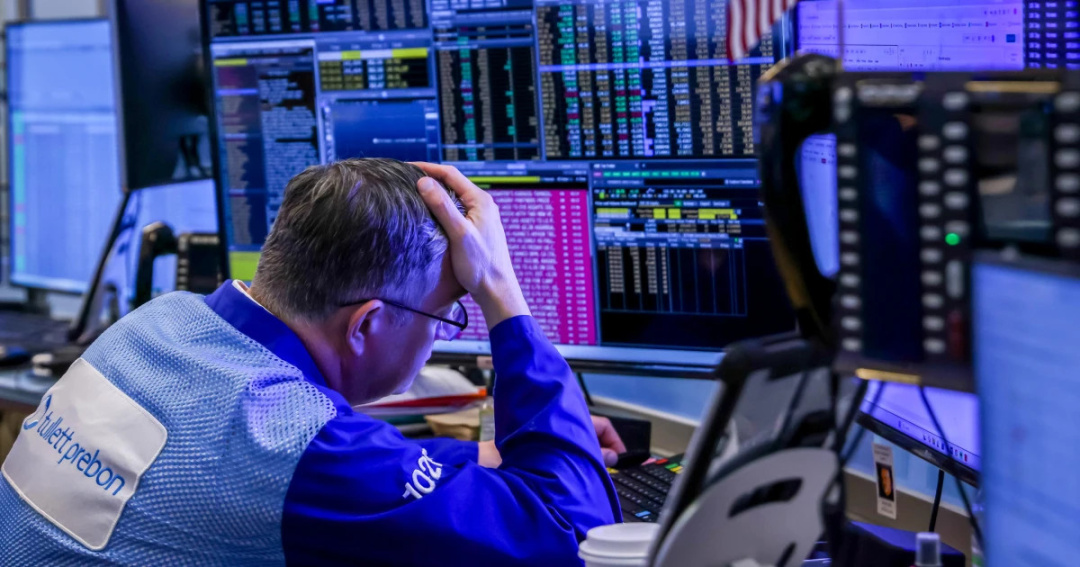
The immediate market response was notable, with Nvidia's stock dropping approximately 4.3% on the day of the announcement. Over the following week, the company experienced a staggering loss of around $490 billion in market value. Huang, who co-founded Nvidia in 1993 and led the company for 33 years, held about 3.6% of the company's shares at the time of his departure, making him a significant shareholder even after stepping down.
Been Takes Center Stage
In the wake of Huang's exit, Colette Kress has been appointed as the interim CEO. Kress, who has served as Nvidia's chief financial officer since 2013, will lead the company while the board evaluates candidates for a permanent replacement. No timeline has been provided for this decision, but it is crucial for the company's future direction.
Navigating Uncertainty: Key Considerations for Nvidia's Future
Investors are particularly concerned about key-person risk, which refers to the potential negative impact on a company due to the departure of a key individual. Analysts are currently assessing two main questions: whether Nvidia's product offerings and customer relationships remain robust, and whether the company can maintain its operational pace without Huang's leadership. Mizuho's decision to retain an outperform rating, despite lowering its price target, suggests confidence in the company's products but uncertainty regarding its future execution.
Looking ahead, several factors will be critical to monitor. The choice of a permanent CEO will signal Nvidia's strategic priorities—whether it seeks continuity with an internal candidate or a new direction with an external hire. Additionally, further adjustments from analysts will provide insight into Wall Street's evolving perspective on Nvidia's transition. Kress's performance as interim CEO will also be closely watched, as she represents the company's public face during this sensitive period. Finally, Huang's stake in Nvidia will attract attention, particularly regarding any future decisions he may make about his shares.