Nvidia Faces Downgrade as Analysts Question Structural Weaknesses
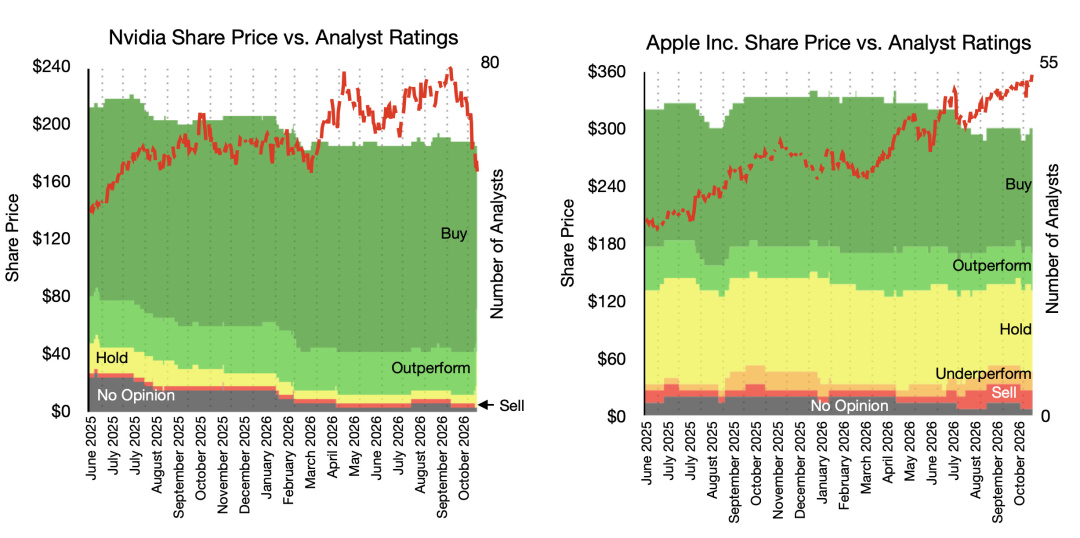
Evercore ISI has downgraded Nvidia from outperform to in-line, slashing its price target from $465 to $186. This represents a staggering 60% drop for one of the largest companies by market capitalization. The downgrade was not prompted by any warning from the company or new earnings data but rather revealed a structural weakness that had not been previously anticipated or modeled by analysts.
The core issue lies in Nvidia's concentration at multiple levels. The company operates much like an engineering department, thriving as long as there is a budget. However, if that budget were to drastically increase or decrease, the company's stability could be jeopardized. This raises concerns about the management structure, which appears to lack the necessary constraints for sustainable growth.
For Your Trading Desk
Sponsor Spike Success.
Nvidia's culture has been described as one that prioritizes performance metrics over customer satisfaction. While engineering departments focus on measurable improvements, a successful business must prioritize customer satisfaction and long-term growth. The decision-making process within Nvidia seems to overlook the complexities of customer loyalty and market dynamics, which are influenced by various social constructs and emotional factors.
Despite the overwhelmingly positive analyst reports—over 1200 issued in the past four years—there has been little scrutiny of Nvidia's organizational structure. Analysts have largely accepted the narrative of Nvidia as a great business without questioning whether it is truly structured as one. The company's leadership, particularly Jensen Huang, has been characterized by a cult of personality, raising concerns about the lack of succession planning and organizational resilience.
Concerns Over Client Concentration Risks
The customer base for Nvidia is alarmingly narrow, with a few key clients driving sales for a singular product. This lack of diversification poses risks to the company's long-term viability. Analysts have failed to challenge the prevailing narrative, as evidenced by the lack of dissenting voices regarding Nvidia's performance in recent months.
Cultural Analysis Over Financial Metrics
The situation illustrates a fundamental disconnect between business analysis and financial metrics. While financial analysis focuses on numbers, true business analysis must consider cultural factors that influence performance. A culture that emphasizes prudent management, customer satisfaction, and resilience is essential for long-term success. Without these elements, even a high-performing product can falter.
As Nvidia navigates these challenges, it will be crucial for analysts and investors to reassess their understanding of the company. The recent downgrade serves as a reminder that a strong sales curve does not necessarily equate to a robust business model. Understanding the underlying cultural dynamics will be key to evaluating Nvidia's future prospects and stability.