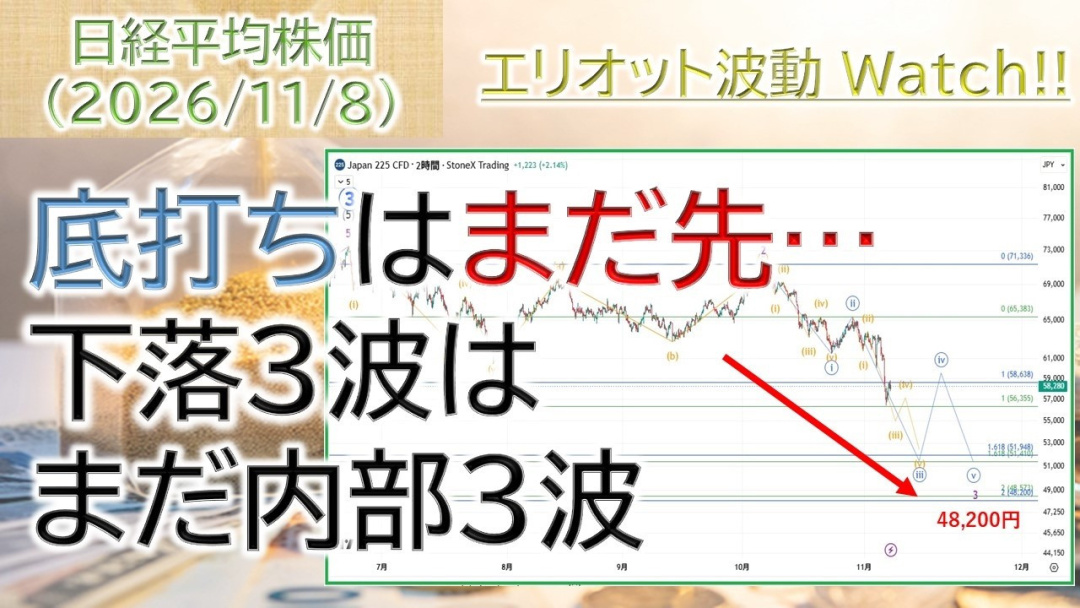
Japan's Stock Market Recovery Sparks Caution Among Investors

Japan's stock market has recently experienced a recovery, prompting experts to caution investors against becoming overly optimistic. They urge investors to remain disciplined and avoid chasing short-term gains until there is clearer evidence that the market has established a sustainable upward trend.
This warning follows a period of significant market fluctuations that have tested investor confidence and raised questions about whether current share prices accurately reflect the underlying financial performance of Japanese companies. While a rebound can provide relief after a prolonged decline, it can also lead investors to take excessive risks, particularly when rising prices create a false sense of security that the worst of the downturn has passed.
For Your Trading Desk
Sponsor Spike Success.
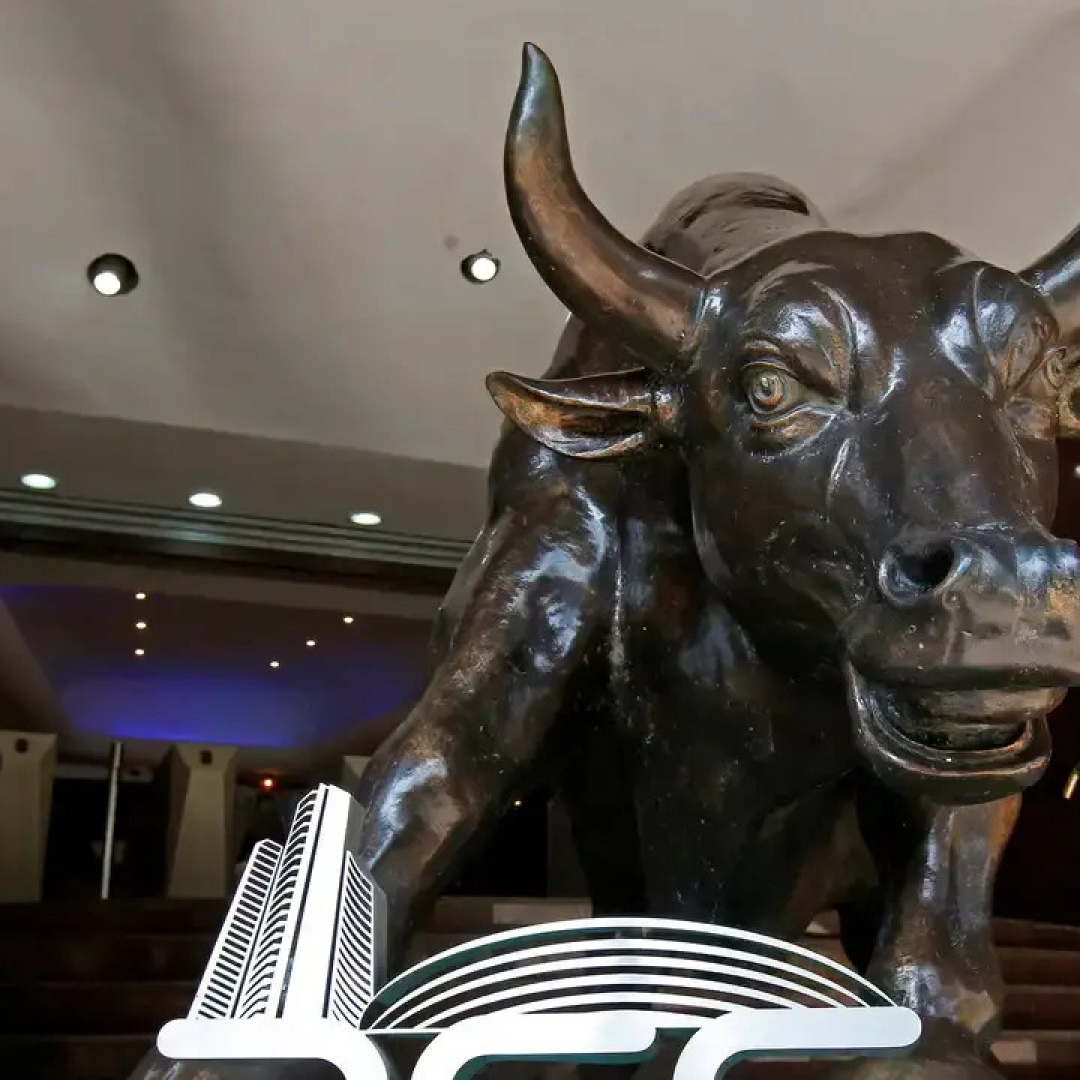
The risks associated with mistaking short-term gains for the beginning of a lasting recovery could leave investors vulnerable to renewed selling if market sentiment shifts negatively. This caution was a central theme in the November 13 edition of Bull and Bear, a weekly financial market program in Japan. The program used a lighthearted exchange between its bull and bear characters to illustrate the market's recovery, comparing it to climbing out of a deep abyss while emphasizing the importance of staying grounded.
The bear character warned that investors could easily lose their footing just as conditions appeared to improve, while the bull character reminded viewers that difficult periods eventually pass. However, the bull also cautioned against becoming distracted by seemingly attractive opportunities that may not be as promising as they appear.
The program highlighted the necessity for patience and careful judgment in recovering markets, especially when investors are tempted to pursue rapidly rising shares without examining their financial fundamentals. It also drew attention to the relationship between stock prices and corporate earnings, suggesting that these two factors do not always align.
Investors Reassess Companies Amid Fiscal Year Results
With interim financial results for the fiscal year ending March 2027 largely completed by November 13, investors have an opportunity to reassess companies based on their actual business performance rather than short-term price movements. Strong earnings can provide a foundation for higher share prices, but they do not guarantee immediate gains. Conversely, a company's stock may decline even when its financial results are healthy, reflecting broader market concerns or shifts in investor sentiment.
This divergence underscores the importance of distinguishing between companies benefiting from temporary speculative interest and those demonstrating sustainable earnings growth. The program emphasized that corporate performance remains a crucial consideration, with the bull character insisting that company earnings were strong despite recent turbulence in share prices.
Investors were encouraged to identify businesses with standout interim financial results rather than simply following stocks that had risen sharply during the recovery. The program also invited viewers to nominate an "Earnings MVP," recognizing companies that delivered particularly impressive results during the first half of the fiscal year.
Navigating Risks in a Recovering Market
The broader lesson conveyed was that a market rebound should not be confused with the disappearance of investment risk. Even with improved sentiment, investors face the possibility of further volatility, particularly if expectations rise faster than corporate profits. For those assessing the outlook for Japanese equities, the challenge lies not only in determining whether the market has reached its lowest point but also in identifying which companies possess the financial strength to support their valuations over the long term.
As the discussion concluded, it was reiterated that renewed confidence should be accompanied by restraint, as the temptation to chase a recovery can be greatest precisely when investors begin to believe that the danger has passed.