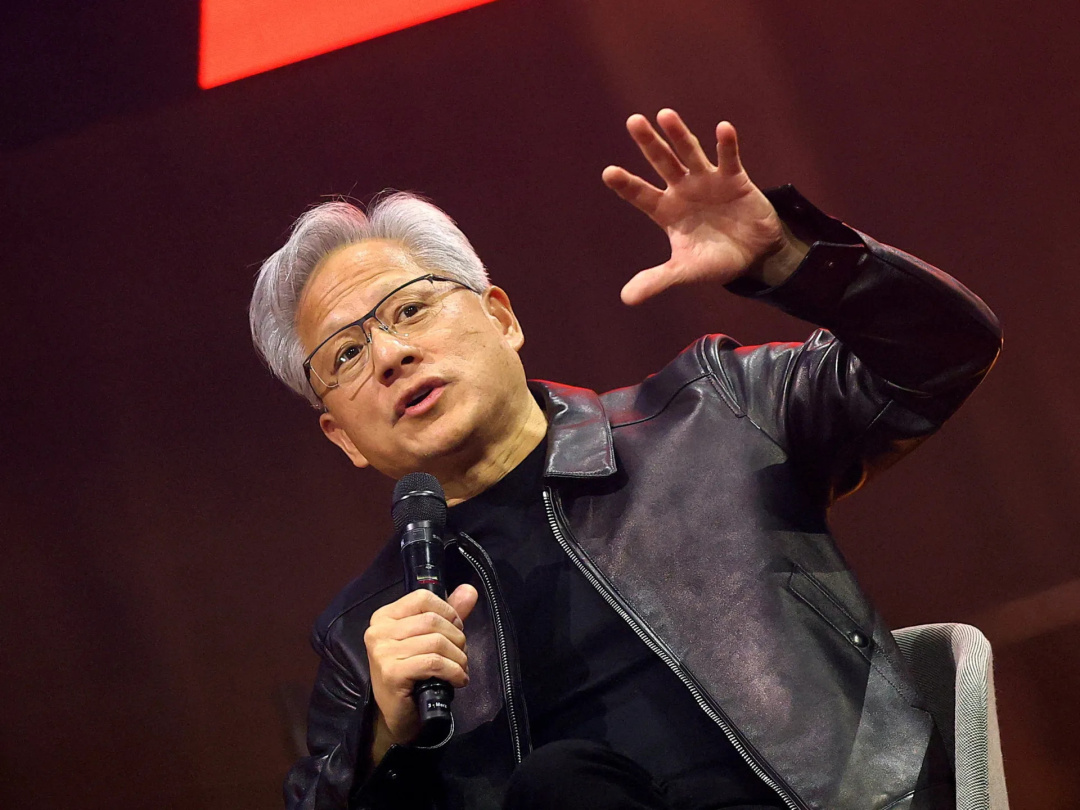
Nvidia Shares Drop 8% Amid CEO Jensen Huang's Allegations

Nvidia's shares experienced a significant decline of up to 8% on Monday, which could potentially erase around $350 billion in market value. This drop comes as investors grapple with the implications of CEO Jensen Huang possibly losing his position due to allegations related to a Chinese intelligence operation. The investigation into Huang is still in its early stages, and the company has become a central figure in the ongoing artificial intelligence boom.
The Nvidia board has initiated an independent investigation following reports suggesting that Huang had a romantic relationship with a business executive believed to be linked to China's Ministry of State Security. In a message to employees, Huang admitted to being unfaithful to his wife and expressed his commitment to cooperate with the investigation. Despite the allegations, the board has stated that there is no evidence suggesting that company secrets or U.S. national security have been compromised, reaffirming their confidence in Huang's leadership.
For Your Trading Desk
Sponsor Spike Success.
While the allegations have not proven that Huang disclosed sensitive information or knowingly collaborated with foreign intelligence, investors are increasingly concerned about the potential ramifications. Nvidia's market capitalization has already seen a decline from approximately $5.78 trillion on October 6 to $4.51 trillion by November 6, marking a loss of about $1.27 trillion prior to the public announcement of the investigation.
The current controversy adds another layer of risk to a stock that is already facing scrutiny over the sustainability of its substantial investments in AI infrastructure. Nvidia's influence extends beyond its own stock, as it constitutes a significant portion of the SPDR S&P 500 ETF, which tracks major U.S. companies. A decline in Nvidia's stock could have broader implications for the market, as evidenced by its weight in the S&P 500.
Despite Shapes Challenges
Despite the challenges, the S&P 500 rose by 1.48% on Monday, with the Nasdaq gaining 1.87%, indicating that investors may view Nvidia's issues as largely company-specific rather than a reflection of the overall AI market. Huang, who co-founded Nvidia in 1993, has established a highly centralized management structure and maintains crucial relationships with customers and suppliers. Analysts have raised concerns about the lack of a clear successor should Huang depart.
Chris Weston, head of research at Pepperstone, expressed skepticism about Huang's resignation, but warned that if investors believed his departure was imminent, it could lead to a severe market reaction. The uncertainty surrounding Huang's leadership is compounded by the fact that he has been instrumental in building Nvidia's reputation and market position. The potential for a leadership change raises questions about the company's future direction and stability.
Nvidia Faces Challenges Amid Leadership Uncertainty and Regulatory Pressures
As Nvidia navigates this turbulent period, it is also contending with Washington's restrictions on advanced AI chip exports to China. Huang has advocated for the ability to sell processors to Chinese customers, but the ongoing allegations could complicate these negotiations. The Chinese government has dismissed the allegations as unfounded, while Congressional Republicans have requested a private briefing on Nvidia's security protocols.
Investors are awaiting Nvidia's quarterly earnings report scheduled for November 17, which will provide further insight into the company's performance amidst the uncertainty surrounding its CEO. The board has not disclosed a timeline for the conclusion of its independent investigation, leaving investors in a state of apprehension as they assess the potential impact on Nvidia's future.