Japan's Stock Market Expected to Rebound After Significant Decline
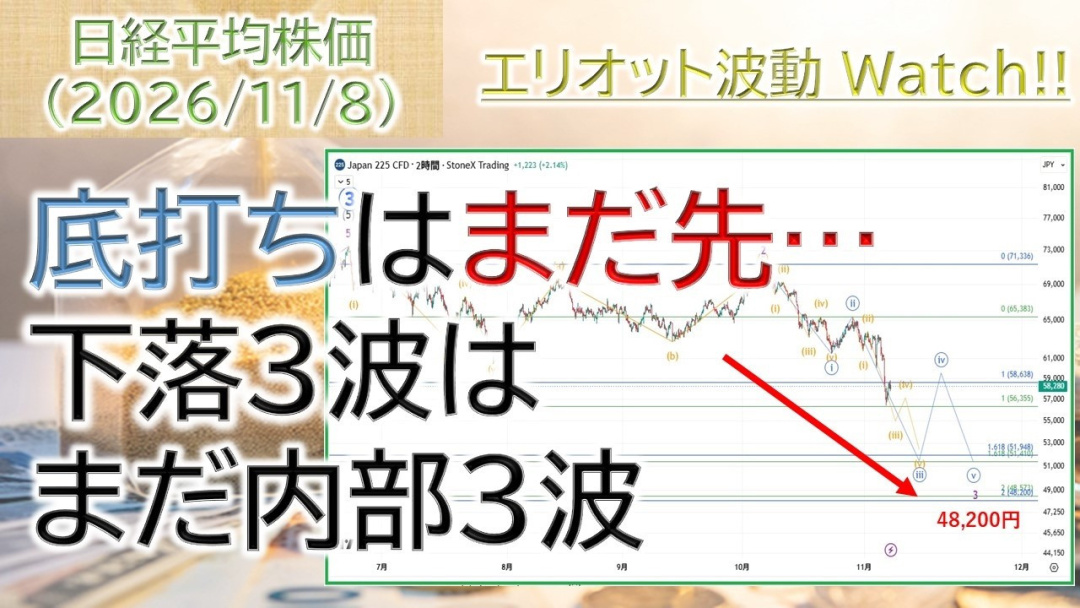
Japan's stock market is expected to open higher on Monday, November 9, after the Nikkei 225 index experienced a significant decline of 9.25% last week, closing at 57,434.77 on Friday, November 6. This downturn was marked by a notable selloff in US technology shares, although stronger overnight futures indicate a potential recovery. Investors are bracing for another volatile week, influenced by inflation data, corporate earnings, and uncertainties surrounding artificial intelligence investments.
The Nikkei index fell by 3,643.13 points, or 5.96%, on Friday alone, marking its fifth consecutive daily decline and one of its largest single-day point losses. The broader TOPIX index also dropped 5.90% to 3,707.99, culminating in a weekly decline of 6.48%. The selloff has raised concerns that Japan's equity rally, previously driven by enthusiasm for AI and semiconductor investments, may be entering a prolonged correction phase. The Nikkei has fallen below the critical 60,000 level, prompting investors to evaluate whether this decline presents a buying opportunity or signals a broader reassessment of corporate valuations.
For Your Trading Desk
Sponsor Spike Success.
Despite the recent downturn, Monday's market opening is expected to benefit from a rebound in US technology stocks, with the Nasdaq Composite gaining 1.09% and the Philadelphia Semiconductor Index climbing 4.21% on Friday. Nikkei 225 futures traded in Osaka finished the overnight session at 58,250, approximately 815 points above Friday's cash-market closing level, suggesting that Tokyo shares could recover more than 1% at the opening if overseas market conditions remain favorable. However, the recovery remains modest compared to the previous week's losses, and investors are likely to remain cautious about sustaining buying interest.
The immediate challenge for the Nikkei will be to recover toward 58,000 and 58,250. A move back above 60,000 would likely be seen as a positive signal of improving market sentiment. Conversely, a renewed decline below Friday's intraday low of approximately 56,746 could increase pressure on investors to reduce their equity exposure. Currency movements will also play a significant role in trading dynamics. The dollar was trading around 158 yen late Friday, leaving the Japanese currency relatively weak despite the turmoil in equity markets. A weaker yen generally benefits major exporters by increasing the yen value of overseas earnings, although it raises import costs for Japanese households and businesses.
Key Economic Indicators Set to Influence Market Sentiment
Japan's 10-year government bond yield stood around 2.63% at the end of last week, while the corresponding US Treasury yield was approximately 4.86%. The elevated borrowing costs in both countries have added uncertainty to the outlook for highly valued technology companies, whose share prices are particularly sensitive to expectations for future interest rates. The most significant overseas event will occur on Tuesday, November 10, when the United States releases its October consumer price index. This data could significantly influence expectations for Federal Reserve monetary policy, US bond yields, the dollar, and global technology shares.
A softer-than-expected inflation reading could ease concerns about persistently high US interest rates and provide support for Japanese equities on Wednesday. Conversely, stronger inflation could push Treasury yields higher, strengthen the dollar, and renew selling pressure on semiconductor and other growth-related stocks. The domestic corporate earnings calendar is particularly crowded this week, with results from major companies such as SoftBank Group, Honda, Nissan, and others scheduled between Monday and Friday. These earnings will serve as a critical test of whether Japan's recent share-price declines reflect deteriorating business conditions or primarily a shift in global investor sentiment.
Navigating a Critical Week for Japan's Financial Markets
Monday's trading will also be influenced by Japan's preliminary leading and coincident economic indicators for September, scheduled for release at 2 p.m., along with China's October inflation figures. Investors will be looking for signs of improving domestic activity and whether weaker Chinese demand continues to affect Japanese manufacturers and exporters. Corporate earnings on Monday will include Fujifilm Holdings, Ajinomoto, Kikkoman, and others, providing early indications of how companies are coping with rising costs and changing demand in overseas markets.
As the week progresses, attention will shift to the Bank of Japan's monetary policy meeting summary and household spending figures, which will offer insights into consumer recovery amid rising costs. The Finance Ministry will also publish Japan's balance of payments and current account figures, providing further context for the country's economic position. Overall, the coming week represents a crucial test of confidence for Japan's financial markets following one of the sharpest weekly declines in recent years. While a rebound is anticipated, the combination of corporate earnings, inflation data, and interest rate uncertainties means that a sustained recovery is far from guaranteed.