Wall Street Sell-Off: Nasdaq Loses $2.5 Trillion, Dow Drops 1,800 Points
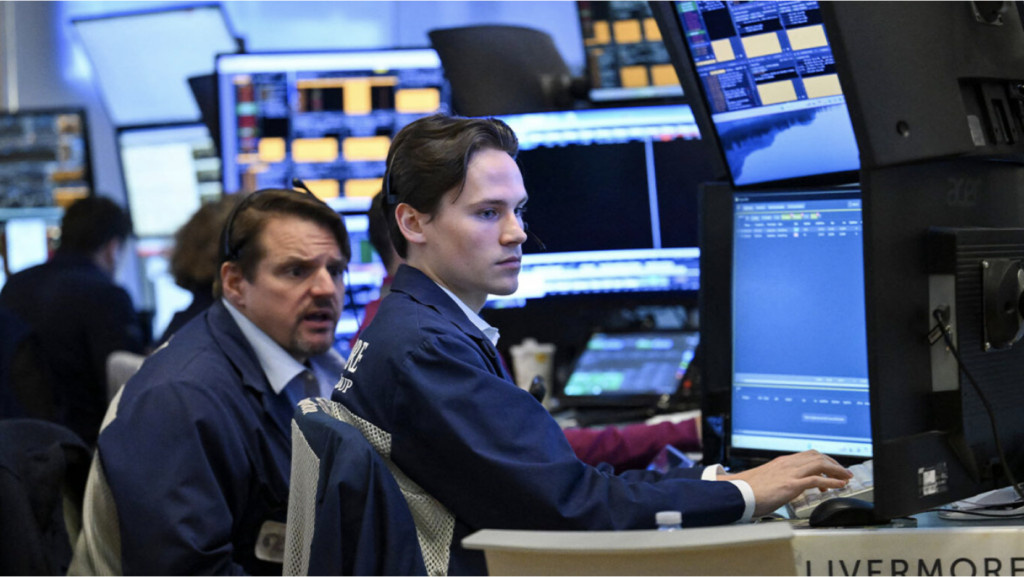
Wall Street experienced a dramatic sell-off on Thursday, reversing the strong gains seen the previous day. The technology sector, particularly semiconductor companies and data center businesses, bore the brunt of the losses. This sharp downturn indicates that markets are adjusting to the new political landscape following the Democrats' significant victories in the US midterm elections.
The Dow Jones Industrial Average fell by 1,825 points, or 3.42%, closing at 51,530 and erasing the previous day's gains. The S&P 500 also suffered, dropping 4.15% to 7,370, while the Nasdaq faced even steeper declines, falling 5.21% to 24,396, entering correction territory. Reports indicated that approximately $2.5 trillion was wiped off the technology index during this tumultuous trading session.
For Your Trading Desk
Sponsor Spike Success.
On Wednesday, the Dow had surged over 1,500 points, marking its best daily performance since April 2025, with both the S&P 500 and Nasdaq also posting gains of more than 1%. The Democrats' control of both the House of Representatives and the Senate is expected to limit President Donald Trump's ability to implement major legislative initiatives, leading investors to anticipate a more restrained fiscal policy.
The prospect of reduced fiscal expansion, coupled with potential declines in energy prices, has heightened expectations for easing borrowing costs, creating a more favorable environment for businesses impacted by economic performance. However, the technology sector was particularly hard hit amid fears of possible policy changes in Congress, especially regarding consumer protections and oversight of artificial intelligence development.
The Philadelphia Semiconductor Index, which tracks major chipmakers, dropped around 8.5%, extending its losses to 35% from its record high in June. Major companies like Qualcomm and Arm Holdings faced significant pressure after issuing disappointing forecasts. Nvidia's shares fell by about 6%, while Broadcom and Marvell Technology saw declines of nearly 6% and 11%, respectively. Even Oracle's stock was down more than 5% despite reporting results that exceeded expectations.
Banks also began to decline, with Goldman Sachs, JPMorgan Chase, and American Express losing their earlier gains. This negative sentiment was linked to weaker forecasts for smartphone processor sales in the fourth quarter, as demand remains low and revenue from Apple is decreasing.
Market Concerns Rise Over AI Infrastructure Amid Political Changes
The sell-off extended to companies involved in artificial intelligence infrastructure, as the Democrats' electoral gains in states with significant data center presence raised concerns about potential restrictions on expansion. Companies like REN, Hut 8, and CoreWeave reported substantial losses, along with energy and equipment suppliers to data centers such as GE Vernova and Constellation Energy.
The pressure on the market was so intense that even the largest technology firms, which had started the day positively, ended up in the red, including Amazon, Meta Platforms, and Alphabet. Investors also noted the continued decline of stocks associated with Elon Musk, who had invested heavily in Republican candidates, with Tesla shares dropping over 9% and SpaceX down around 8%.
As investors look ahead, they are closely monitoring US economic data for insights into the economy's resilience and the Federal Reserve's forthcoming decisions. Recent reports indicated a rise in labor productivity in the non-farm business sector by 3.6% in the third quarter, surpassing expectations. Meanwhile, weekly applications for unemployment benefits fell to 189,000, indicating a positive trend in the labor market.
With the official October employment report set to be released soon, investors are eager for further indications of the US economic direction. Money markets are currently pricing in an 80% probability of a 25-basis-point rate increase by the Fed in December, with additional hikes anticipated in 2027.
Shifting Investment Trends in Response to Political Landscape
In commodities, gold prices have surged above $4,100 an ounce, continuing a rally that began after the US elections. Falling bond yields have supported this increase, while oil prices have also begun to recover after a sharp decline, with US West Texas Intermediate crude trading above $90 a barrel.
The overall situation on Wall Street reflects a significant shift in investment priorities, with banks and cyclical stocks gaining traction while semiconductor companies and data centers remain under pressure as the market assesses the implications of the new political reality in the United States.