Wall Street Faces Major Selloff: $2.5 Trillion Lost as Nasdaq Plummets
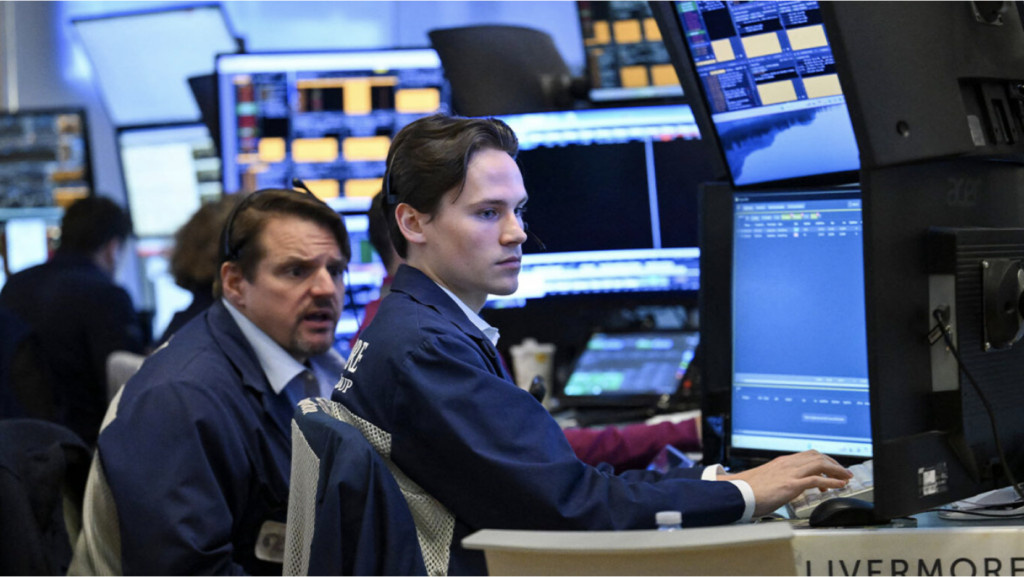
Wall Street suffered a significant selloff, resulting in a staggering $2.5 trillion loss in market value in a single day. This decline was largely attributed to growing concerns over artificial intelligence spending and the potential for increased regulatory scrutiny following the recent midterm elections. The Nasdaq Composite index fell more than 5%, marking its worst day in 18 months, while the Dow Jones Industrial Average dropped 1,833 points, and the S&P 500 recorded its steepest decline since April 2025.
The selloff extended beyond US markets, impacting Asian indices as well, with Japan's Nikkei falling 6% and South Korea's Kospi plummeting over 8% in early trading. Investors are reevaluating their positions in popular AI-related trades, as signs of potential regulatory challenges have raised concerns about the pace of investment in the sector. This has particularly affected companies involved in data centers and chip manufacturing, which are critical to the AI industry.
For Your Trading Desk
Sponsor Spike Success.
The Nasdaq's decline of 5.5% pushed it more than 10% below its recent record high, placing it firmly in correction territory. Notably, Nvidia, once the world's largest company by market capitalization, saw its shares drop 9.3%, while other tech firms like SanDisk and Western Digital experienced losses of 22% and 17%, respectively.
Market Sentiment Shifts as Investors Seek Safety Amid Declines
The broader market was affected as all 11 sectors of the S&P 500 closed lower, with several sectors recording losses of at least 2%. Major companies such as Caterpillar and JPMorgan Chase also saw significant declines, contributing to the overall market downturn. In response to the sharp drop in equities, investors shifted towards safer assets, leading to increased demand for US government bonds and a decrease in the yield on the benchmark 10-year Treasury note.
As market volatility surged, Wall Street's VIX, often referred to as the 'fear index', spiked 61%, reaching its highest level since the early weeks of the Iran war. This dramatic shift in market sentiment underscores the growing unease among investors regarding the future of technology stocks and the potential implications of regulatory changes in the AI sector.