S&P 500 Drops 3.8%, Wall Street Watches Circuit Breaker After Trump

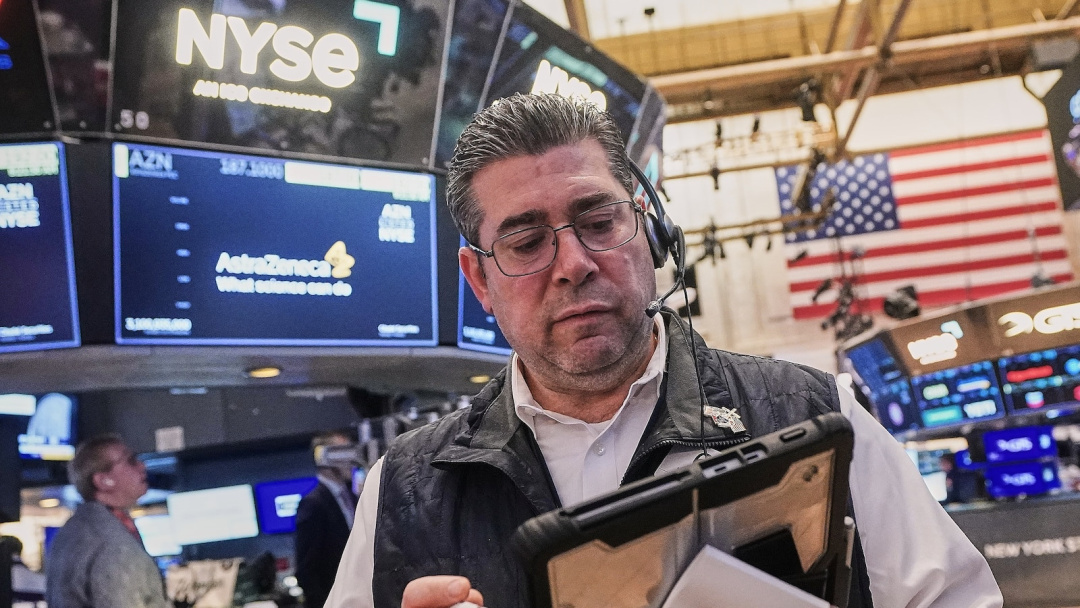
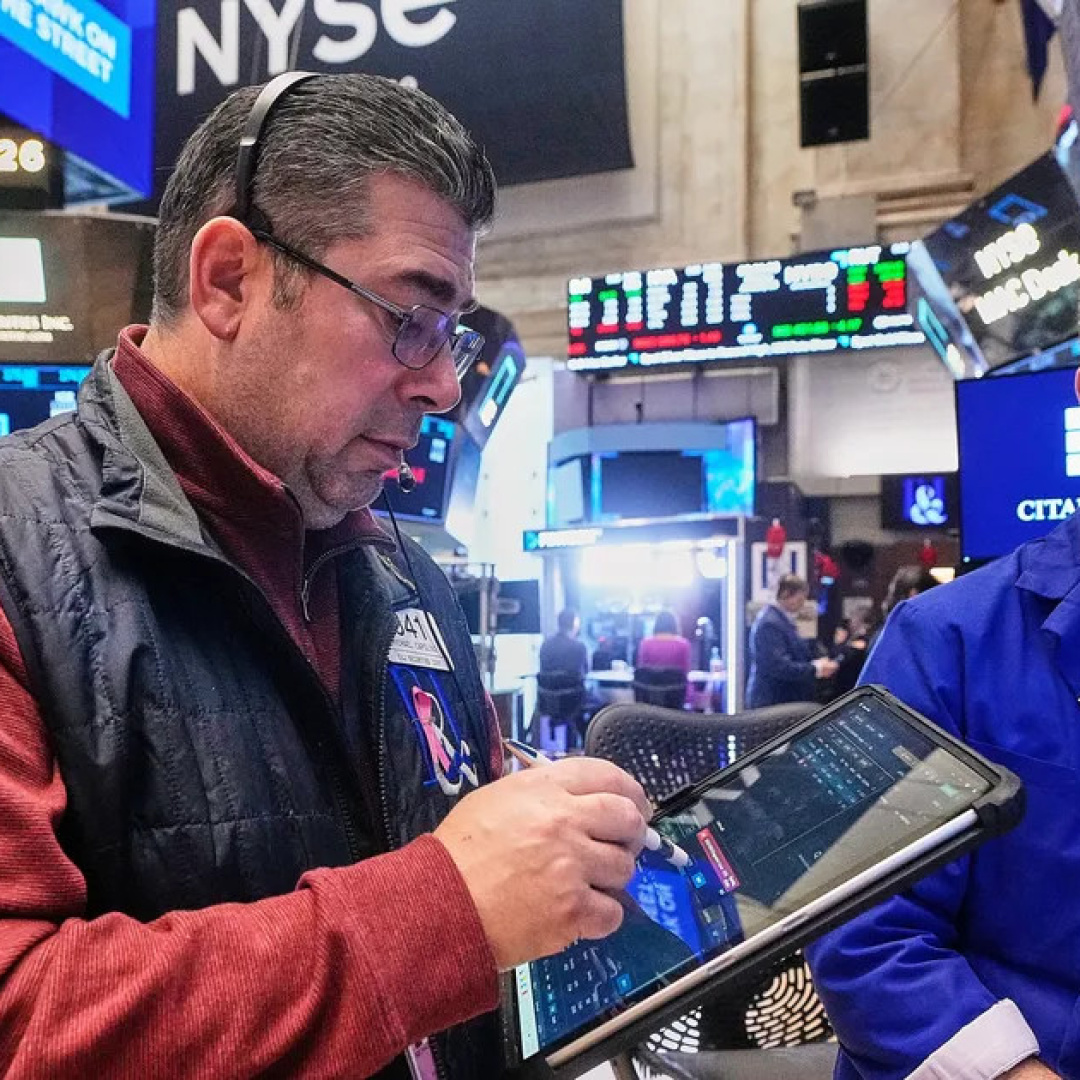
President Donald Trump's recent celebration of Wall Street's highs quickly turned sour as the S&P 500 fell by 3.8% on Thursday. This significant drop has brought emergency trading halts into focus, as traders closely monitor the market's circuit-breaker thresholds, which can temporarily suspend trading when losses become too severe. The S&P 500 would need to decline another 3.2 percentage points to trigger the first emergency halt.
The timing of this downturn is particularly awkward for Trump, who has often cited stock market performance as a measure of his administration's economic success. Just a day prior, he boasted on his Truth Social account about Americans' retirement accounts soaring, stating, "Stock Market just hit another Record High—91 Days in just a short period of time—Less than two years. Your 401(k)s are through the roof."
For Your Trading Desk
Sponsor Spike Success.
Following the Democratic Party's midterm election victories, Wall Street had rallied, with the S&P 500 gaining 1.6% and the Dow Jones Industrial Average surging over 1,500 points. However, Thursday's losses erased that rally in a single session, with technology stocks facing the brunt of the selloff.
The U.S. stock market employs three emergency thresholds designed to mitigate panic selling. These circuit breakers automatically halt trading when the S&P 500 falls by a specified percentage from its previous closing price. The first threshold, a 7% decline, corresponds to an S&P 500 level of 7,150.41 points for Thursday's session. If this level is reached before 3:25 p.m. ET, trading would be suspended for 15 minutes.
Why Second Matters Here
The second threshold, a 13% decline, would also trigger a 15-minute suspension, while the most severe threshold at 20% would halt trading for the remainder of the day. These rules apply across the entire U.S. equity market, affecting stocks listed on the Nasdaq and other exchanges as well.
As of Thursday morning, the technology sector was particularly hard hit, with the Nasdaq Composite down nearly 5% and the S&P 500 down 3.2%. Notably, Nvidia saw a loss of over 6%, and the broader semiconductor index plunged nearly 11%. Concerns about stricter oversight of data-center construction following the election results have also weighed on companies involved in building AI infrastructure.
Market Sentiment Shifts as Investors Brace for Economic Indicators
Ipek Ozkardeskaya, a senior analyst at Swissquote Bank, noted that there is likely to be increased scrutiny on the aggressive AI buildout in light of the election outcomes. The selloff extended to cryptocurrencies as well, with Bitcoin dropping below $76,000 and approximately $428 million in leveraged crypto long positions liquidated within an hour.
Persistent inflation concerns and uncertainty regarding the Federal Reserve's next interest-rate decision have added to the pressure on stocks. Investors are now awaiting Friday's October employment report, which could provide further insights into the direction of monetary policy. Despite the sharp losses on Thursday, the S&P 500 had not yet reached its first market-wide circuit breaker at the time of this report.