Kevin Warsh Links AI Investment to Borrowing Costs Amid Fed Rate Hold

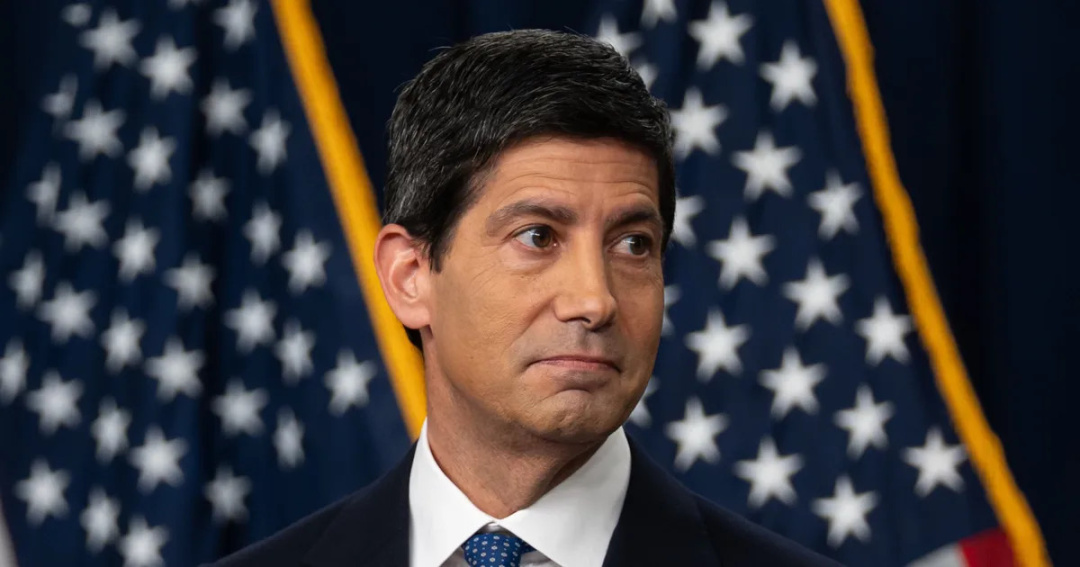
On October 28, Federal Reserve Chair Kevin Warsh addressed the relationship between borrowing costs and the development of artificial intelligence (AI) during a press conference. His comments served as a caution to those who believed that the AI sector was immune to fluctuations in interest rates. Warsh pointed out that the cost of borrowing significantly influences which projects receive funding and under what conditions. The Federal Reserve held its benchmark interest rate steady at 3.75% to 4% on the same day.
Warsh rejected the idea that the high expected returns from AI investments make the sector insulated from monetary policy changes. He explained that while a project may appear promising over a long-term horizon, securing financing in the current quarter can be challenging. His remarks highlighted the need for companies planning to invest in data centers and computing infrastructure to consider the impact of interest rates on their financing strategies.
For Your Trading Desk
Sponsor Spike Success.
During the press conference, Warsh countered the argument that the substantial returns from new technologies render borrowing costs negligible. He stated, "I believe they do, and I don’t believe that they’re somehow divorced from the rest of the economy." This assertion underscores the interconnectedness of AI spending with the broader financial landscape, indicating that it does not operate in isolation.
Warsh's comments also illustrated how interest rates permeate various aspects of investment decisions. He noted that rates influence almost all business expenditures, including AI initiatives. The Federal Open Market Committee's decision to maintain the current rate was not a specific policy directed at AI but rather a broader economic strategy.
Where the Details Change Direction
As Warsh elaborated, the dynamics of high-tech investment play a crucial role in the overall economic growth. He acknowledged that while AI is a significant driver of investment, it is part of a larger trend of increasing capital spending across multiple sectors. This complexity presents challenges for the Federal Reserve, as robust investment can stimulate growth but also complicate inflation assessments.
The implications of rising borrowing costs are particularly relevant for AI projects, which often require substantial capital investment. Warsh pointed out that when financing becomes more expensive, companies must ensure that their expected returns justify the costs. This scrutiny can lead to a reevaluation of project priorities, potentially delaying or altering investment plans.
Market Selectivity Signals Caution in AI Investment Strategies
In his analysis, Warsh referenced widening credit spreads as an indicator of market participants becoming more selective in their investment choices. This trend suggests that investors are differentiating between projects based on their financial viability and potential for cash flow. Even with a favorable long-term outlook for AI, projects may face increased scrutiny regarding their execution and financing.
Warsh's remarks serve as a reminder that while AI holds significant promise, it is not exempt from the realities of financial markets. The interplay between interest rates and investment decisions will continue to shape the landscape for AI development. As the Federal Reserve prepares for its next meeting in December, the market will be closely monitoring how these factors influence future investment in AI and other sectors.