Asian Markets React to US Midterm Elections Amid AI Stock Selloff
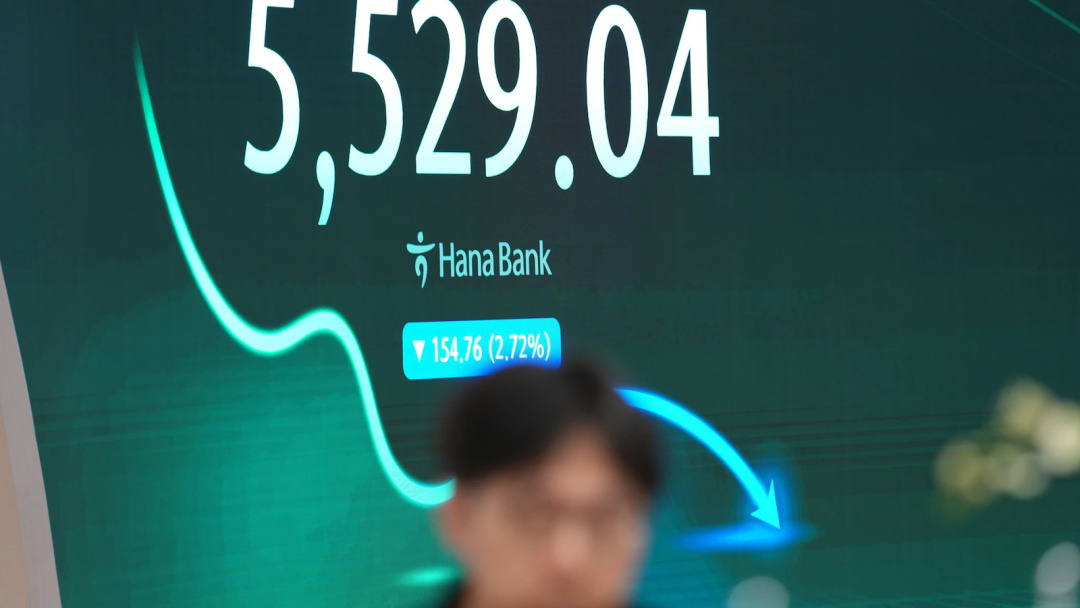
Asian shares experienced a mixed performance on Thursday as heavy selling of AI-related stocks offset gains in some markets following the US midterm elections. The South Korean Kospi dropped more than 5%, while the Nikkei 225 in Tokyo fell nearly 2%. Oil prices also declined, and US futures were mixed after the Dow Jones Industrial Average surged over 3% on Wednesday, following the loss of control of Congress by President Donald Trump's party.
Typically, US stocks tend to rise after midterm elections, regardless of the winning party. However, technology shares faced pressure as investors considered the potential implications of a Congress led by Democratic lawmakers on the booming artificial intelligence sector. The Kospi tumbled 5.3% to 5,383.80, with shares in Samsung Electronics plummeting 7.6% and memory chipmaker SK Hynix losing 9.4%.
For Your Trading Desk
Sponsor Spike Success.
In Tokyo, the Nikkei 225 fell 1.8% to 61,077.90. Notable losses included a 6.9% drop for SoftBank Group, an investor in OpenAI, and a 9.5% decline for Tokyo Electron, a computer chipmaking equipment company. Testing equipment maker Advantest saw a significant drop of 15%.
On the US market side, the S&P 500 rose 1.6%, with the Dow gaining more than 1,500 points and the Nasdaq composite increasing by 1.4%. Asian markets less exposed to the AI industry generally saw gains. Hong Kong's Hang Seng index jumped 3.2% to 24,675.22, while the Shanghai Composite index edged down 0.1% to 3,682.30. In Australia, the S&P/ASX 200 rose 2.6% to 9,065.10, and India's Sensex gained 2%.
Ipek Ozkardeskaya of Swissquote noted that global equity markets largely welcomed the Democratic victory, with European and Chinese markets buoyed by hopes that the shift in Congress could lead to reduced tariffs and improved trade relations with the US. However, she cautioned that the Democratic win might pose challenges for the AI investment narrative, which is already grappling with concerns over spending, future returns, and financing.
Market Reactions to Election Results and Corporate Performance
The election results may not significantly impact the broader market in the long term, as stock prices are more influenced by corporate profits and interest rates than by political control in Washington. Nevertheless, investors often prefer a split Congress, as it reduces the risk of drastic economic changes. Concerns linger for Trump's social media company, the AI sector, and businesses associated with Elon Musk, who has been a significant donor to Republicans. Trump's Media & Technology Group was one of the notable losers on Wednesday, plummeting 24.5%.
Elon Musk's companies also faced challenges, with Tesla shares falling 3.3% and SpaceX down 3.8%. Given Musk's previous ties to Trump, there are worries about potential investigations by a Democratic-led Congress. The setback for Republicans has raised concerns about whether stock prices driven by AI hype have become overvalued.
Defense and Energy Stocks React to Political Shifts
Additionally, a Democratic Congress could prompt a reevaluation of military engagements, negatively affecting defense stocks. Lockheed Martin fell 6.9%, Northrop Grumman dropped 4.5%, and General Dynamics lost 2.6%. The prospect of reduced military spending contributed to an 8.7% decline in Brent crude oil prices, which fell to $94.62 per barrel, impacting shares of major oil companies that had previously been performing well. ExxonMobil fell 4.6%, and ConocoPhillips dropped 5.2%.
As of early Thursday, Brent crude was down 0.4% to $94.22 per barrel, while US benchmark crude fell 1.1% to $87.19 per barrel. The US dollar also slipped against the Japanese yen, trading at 157.92 yen, down from 158.41 yen, while the euro rose to $1.1262 from $1.1228.