Nasdaq-100 Surges Past Semiconductor Index by 460 Basis Points
On November 4, 2026, the Nasdaq-100 index experienced a notable increase of about 0.9%, coinciding with the aftermath of the Democratic sweep in the US midterm elections. In stark contrast, the Philadelphia Semiconductor Index (SOX) saw a decline of approximately 3.1%, resulting in a significant gap of 460 basis points between the two indices, marking one of the widest daily disparities in over a decade.
The surge in the Nasdaq-100 was largely driven by major tech companies, often referred to as hyperscalers, which collectively added over $750 billion in market value following the election results. Companies like Apple, Amazon, and Microsoft were key contributors to this rise, with Amazon's stock jumping 7.4% to reach a three-month high, while Apple gained nearly 7% and closed at a record high.
For Your Trading Desk
Sponsor Spike Success.
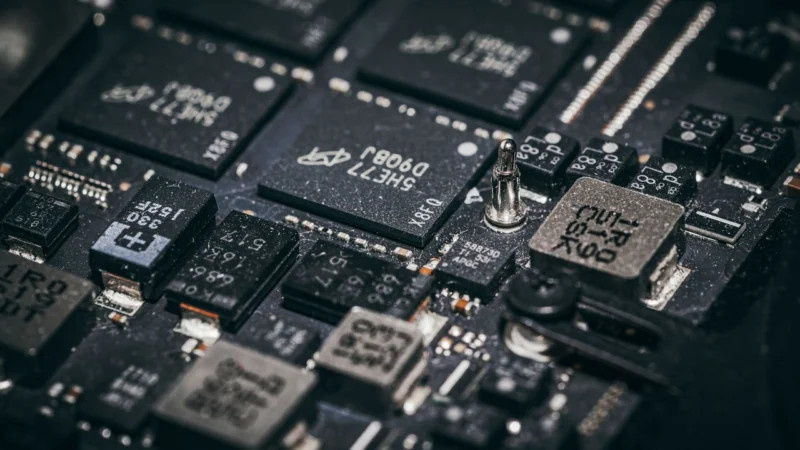
Conversely, the semiconductor sector faced challenges, with companies such as Nvidia, Broadcom, and Micron dragging down the SOX index, which ended the day at 10,268.65 after a 3.09% decline. This downturn also affected popular semiconductor exchange-traded funds (ETFs), with both the VanEck Semiconductor ETF (SMH) and the iShares Semiconductor ETF (SOXX) losing around 3%.
The market's reaction was influenced by investor expectations regarding regulatory scrutiny under a Democratic Congress, which is anticipated to impact the construction of new data centers. This shift in sentiment positioned companies with existing AI infrastructure as potential beneficiaries, while those involved in manufacturing components for new data centers were viewed as more vulnerable.
Tech Investment Sensitivity to Policy Changes
The divergence in performance between hyperscalers and semiconductor stocks underscores the sensitivity of tech investments to policy changes. As the market grapples with the implications of tighter regulations, the outlook for capital spending in the tech sector appears increasingly uncertain. This situation serves as a reminder of the potential risks associated with concentrated investments in tech indices, as evidenced by the sharp 460-basis-point gap observed in a single trading session.
Market Dynamics and Regulatory Impact
The recent market movements illustrate how intertwined the fortunes of different sectors can be, particularly in the tech industry. Investors often assume that holding both the Nasdaq-100 and semiconductor funds provides a balanced exposure to the AI theme. However, the events of November 4 revealed that these positions can diverge significantly based on regulatory outlooks and capital expenditure expectations.
As the market continues to adjust to the evolving political landscape, the implications for tech investments remain complex. The need for land, power, and permits for data centers involves government decisions that are becoming increasingly critical to market performance. The current environment highlights the importance of understanding the broader regulatory context when making investment decisions in the tech sector.