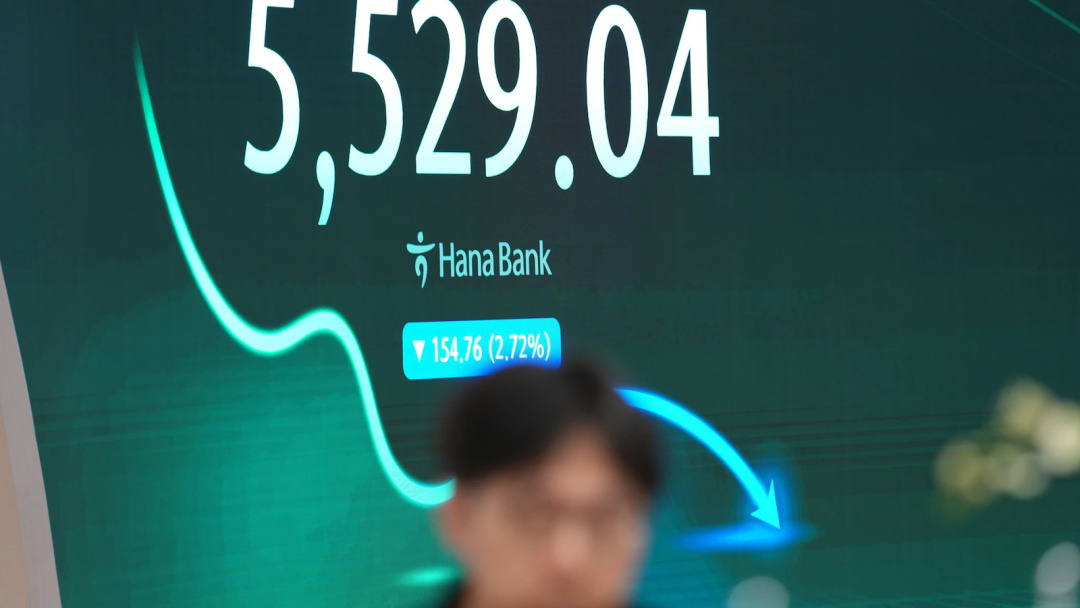
Asian Markets Rise After US Midterms, Kospi Declines
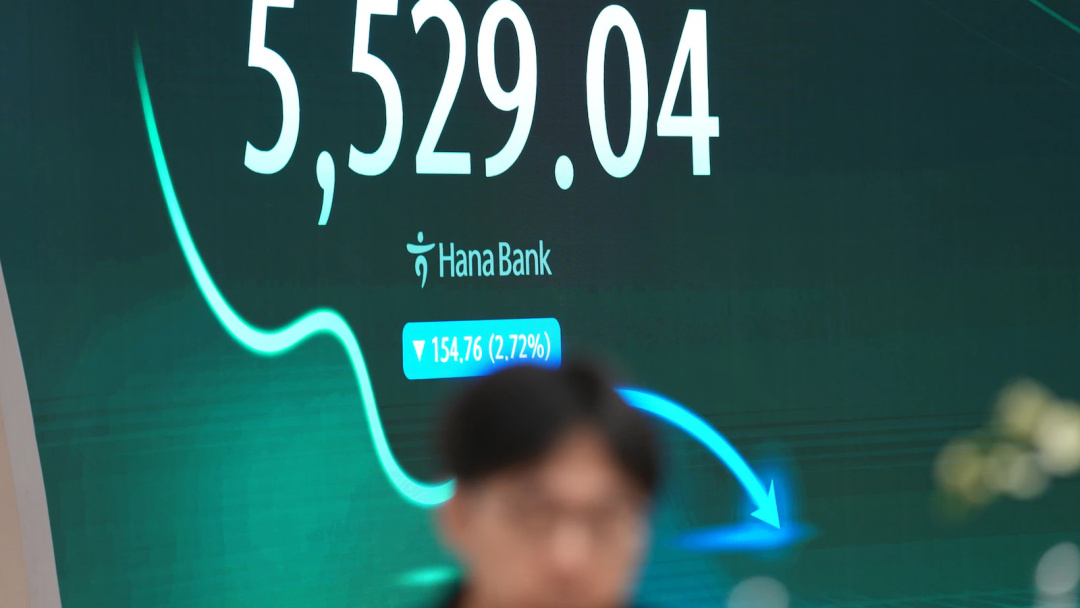
Asian shares mostly advanced on Thursday as U.S. stocks rallied following the midterm elections, with the Dow Jones Industrial Average surging more than 3%. This increase came after President Donald Trump's party lost its grip on Washington, leading to a shift in market sentiment.
Despite the overall positive trend, South Korea's Kospi index faced significant challenges, briefly dropping over 4% due to heavy selling in the technology sector, particularly among computer chip manufacturers. By late morning, the Kospi was down 3.5% at 5,484.38, with shares of Samsung Electronics falling 5.7% and SK Hynix losing 7.4%.
For Your Trading Desk
Sponsor Spike Success.
In Japan, the Nikkei 225 index declined by 0.5% to 61,914.53. Notable losses were seen in companies such as SoftBank Group, which dropped 5.3%, and Tokyo Electron, which fell 7.7%. The broader market sentiment was influenced by the U.S. stock performance, where the S&P 500 rose 1.6% and the Nasdaq composite gained 1.4%.
Asian markets less exposed to the artificial intelligence sector generally saw gains. Hong Kong's Hang Seng index jumped 2.8% to 24,597.59, while the Shanghai Composite index edged up by 0.1%. In Australia, the S&P/ASX 200 rose 1.9% to 9,003.40.
The midterm elections traditionally lead to stock gains, regardless of the winning party. However, the long-term impact on the market may be limited, as stock prices are more closely tied to corporate profits and interest rates than political control. Investors often prefer a split Congress, as it reduces the likelihood of drastic economic changes.
Concerns linger regarding the future of Trump's social media company and the artificial intelligence sector, particularly given the heavy financial backing from Trump. The Trump Media & Technology Group saw a significant decline of 24.5% on Wednesday, reflecting investor apprehension. Since reaching a peak of $175 five years ago, its stock has plummeted to $4.49.
Challenges for Musk's Ventures Amid Political Changes
Elon Musk's companies also faced challenges, with Tesla shares dropping 3.3% and SpaceX down 3.8%. The potential for investigations by a Democratic-controlled Congress adds to the uncertainty surrounding these businesses.
The election results may prompt a shift in U.S. foreign policy, particularly regarding military engagements, which could affect defense contractors. Stocks of companies like Lockheed Martin and Northrop Grumman experienced declines of 6.9% and 4.5%, respectively.
In the commodities market, Brent crude oil prices fell 8.7% to $94.62, impacting shares of major oil companies that had previously been performing well. Early Thursday, Brent crude was trading at $93.91 per barrel, while U.S. benchmark crude fell to $87.27 per barrel.
Market Reactions to Shifting Political Landscape
The fluctuations in oil prices typically affect renewable energy stocks, but a Democratic Congress might favor solar and wind companies. First Solar and Enphase Energy saw increases of 4.6% and 3.7%, respectively, amid these developments.
In currency markets, the U.S. dollar weakened against the Japanese yen, trading at 157.96 yen, while the euro rose to $1.1256.