Nasdaq 100 Futures Drop Nearly 1.5% Following Democratic Sweep Odds

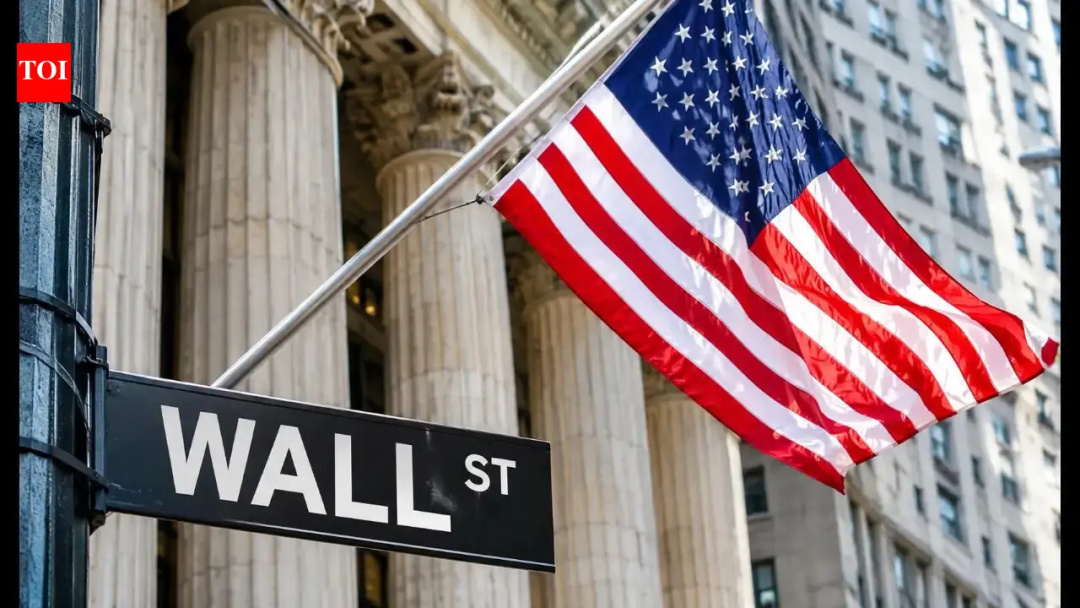
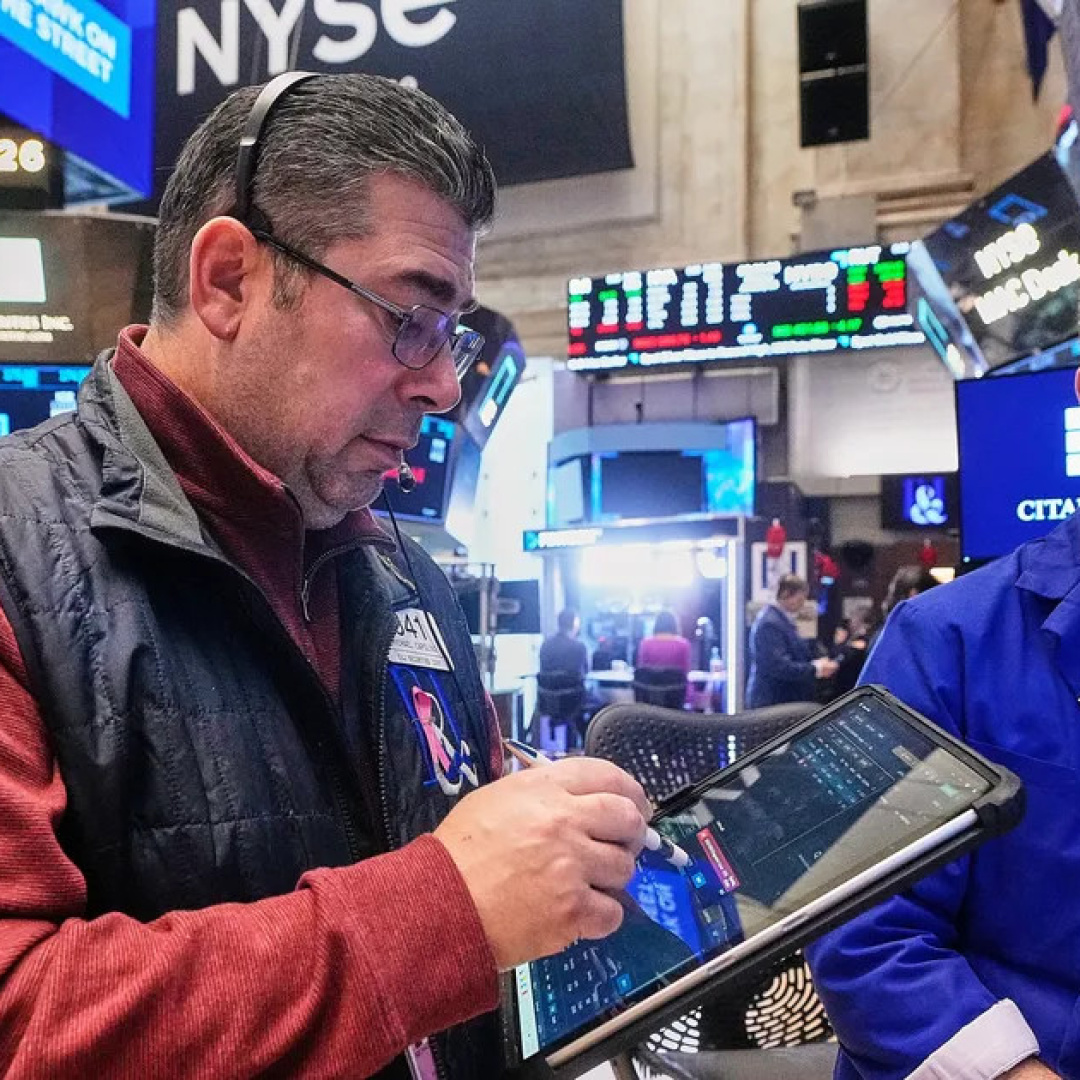
On November 4, 2026, Wall Street faced a significant downturn as Nasdaq 100 futures dropped nearly 1.5%. The decline was accompanied by a staggering $500 billion loss in market value for the S&P 500, driven by early midterm election results that suggested a Democratic takeover of Congress.
The catalyst for this market reaction was a notable shift in prediction markets, which indicated a 95% probability of a full Democratic sweep, a sharp increase from previous estimates. Voters cast their ballots on November 3, 2026, when Republicans held both the House and Senate. However, as initial vote counts emerged, the political landscape began to change rapidly, leading to a downward trend in equity futures.
For Your Trading Desk
Sponsor Spike Success.
Initially, S&P 500 futures showed gains at the start of the trading session, but this quickly reversed. The Nasdaq 100 futures experienced a more pronounced decline, with losses ranging from 0.3% to 1.5% as the day progressed. The political shift was reflected in the market capitalization, with approximately $500 billion in value evaporating as uncertainty loomed.
Prediction markets provided real-time insights, with traders estimating a 94% to 98% chance of Democrats gaining control of the House. Senate odds varied, showing a 70% to 88% likelihood of a flip. The overall figure of around 95% highlighted the rapid influx of traders betting on a Democratic victory.
Concerns about legislative gridlock emerged as a core issue. A Democratic Congress facing a Republican president could lead to conflicting agendas, raising worries among investors. Wall Street strategists identified two primary areas of concern: increased scrutiny over AI spending and the contentious upcoming debt-ceiling negotiations.
The Role of Influenced
The Nasdaq 100, heavily influenced by technology stocks, was already under pressure, slipping into correction territory amid skepticism regarding the long-term returns on substantial AI investments. Analysts noted that while a Democratic majority might pose immediate challenges for the stock market, historical trends suggest a rebound in the months following midterm elections, with the S&P 500 typically recovering within a year.
Investors are now left to ponder how much of this political shift has already been factored into market prices. With prediction markets indicating a near certainty of a House takeover, much of the uncertainty surrounding that chamber appears resolved. However, the Senate remains a more unpredictable element, and any changes in final results could further impact futures.
The tech sector is particularly vulnerable. If a Democratic Congress implements tighter oversight of AI spending, companies investing heavily in data centers and model development may face increased scrutiny regarding their returns. The Nasdaq 100's recent decline reflects existing doubts about the profitability timelines associated with AI investments.
Navigating Risks Ahead: Debt Ceiling and Congressional Dynamics
Additionally, the upcoming debt-ceiling discussions present another layer of risk. A divided Congress could complicate negotiations, leading to further market volatility.
Investors will be closely monitoring several factors in the coming days: the official Senate results compared to prediction market expectations, early signals from congressional leaders regarding AI oversight and debt ceiling discussions, and whether the Nasdaq 100 stabilizes or continues its correction as the political landscape evolves.