Midterm Elections and Their Impact on Stock Market Performance
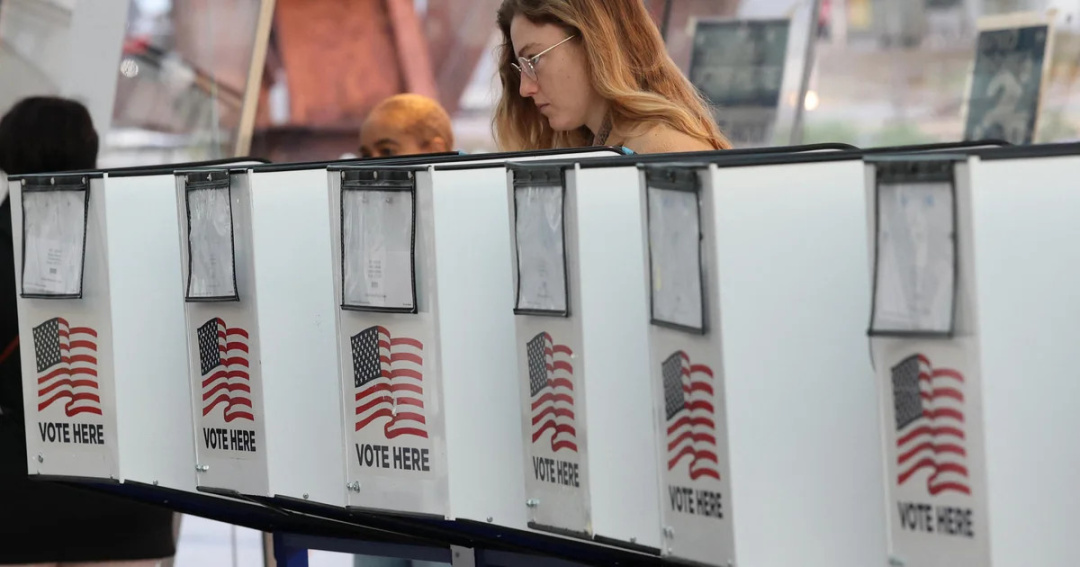
The upcoming midterm elections are poised to reshape Congress as lawmakers confront ongoing issues such as inflation, high energy prices, and increasing fiscal debt. For investors, the political outcomes may provide a significant boost to market performance. According to data from Edward Jones, the S&P 500 stock index has historically risen by an average of 1.7% in the month following the last 14 midterm elections dating back to 1970. Furthermore, in the six months after these elections, the S&P has averaged a return of 15.5%. Magdalena Ocampo, a market strategist at Principal Asset Management, noted that while volatility around the elections is possible, markets typically perform well in the year following midterms as political uncertainty diminishes and focus shifts back to economic conditions. Analysts on Wall Street are also considering how a divided government could impact stock performance, particularly if Democrats gain control of the House, Senate, or both chambers. Historically, political gridlock has been favorable for markets, as it limits Congress's ability to enact sweeping tax and spending reforms, thereby reducing volatility. Chris Low, chief economist at FHN Financial, emphasized that a stable environment allows companies to invest in long-term projects, which is generally beneficial for earnings. However, reduced volatility does not guarantee a smooth path for investors. Gridlock in Washington could lead to further partisan conflicts over the national debt, which has recently surpassed $40 trillion, or compel the government to increase borrowing to meet its obligations. Ed Yardeni, president of Yardeni Research, pointed out that prolonged fiscal standoffs could elevate Treasury yields, negatively impacting equity valuations. The Bipartisan Policy Center estimates that the U.S. will reach its debt limit again between late winter and midsummer of 2027, necessitating decisions from lawmakers on whether to raise or suspend the debt ceiling or risk a government shutdown. Additionally, volatility may persist if former President Trump continues to utilize executive powers to advance his agenda, potentially limiting the Democrats' ability to exert control even if they gain congressional power. Yardeni suggested that a Democratic sweep could create challenges for stocks, although he views any significant selloff as a potential buying opportunity given the economy's strength and robust corporate earnings. Beyond market implications, a Democratic majority could also influence regulatory appointments, with analysts noting that Democrats might leverage their power to fill key positions in independent agencies such as the FDIC, SEC, and CFTC. A Democratic-controlled Senate would likely elevate Senator Elizabeth Warren to head the Senate Banking Committee, granting her greater authority to pursue populist legislation. Despite these dynamics, UBS analysts caution that the president's veto power would still limit federal legislative actions.
For Your Trading Desk
Sponsor Spike Success.