Apple's Decline Affects Wall Street Amid Gains in Other Tech Stocks

The U.S. stock market is navigating mixed trading conditions, with Apple shares declining while other Big Tech stocks are showing resilience. On Tuesday, the S&P 500 rose by 0.2% in early trading, despite a greater number of stocks falling within the index compared to those that rose. The Dow Jones Industrial Average, however, was down by 232 points, or 0.4%, as of 9:35 a.m. Eastern time, while the Nasdaq composite increased by 0.5%.
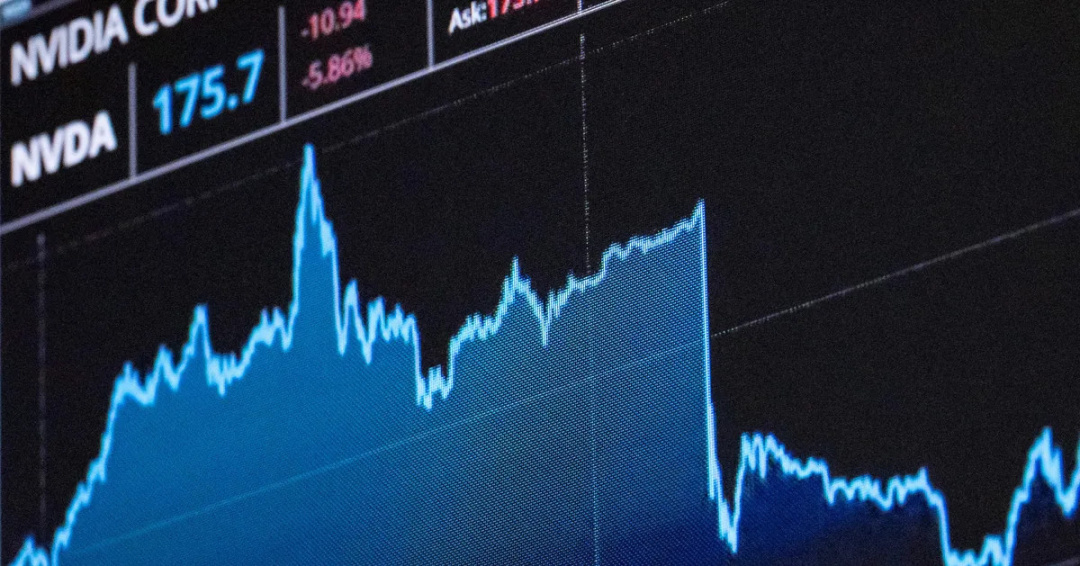
Recent volatility in the stock market has been attributed to fluctuations in technology and artificial intelligence stocks, which have been under scrutiny due to concerns that their valuations may have become inflated amid the AI boom. On Tuesday, several influential AI-related stocks performed better, providing some support to the market, although they had experienced a reversal from gains to losses the previous day. Nvidia, for instance, rose by 3.1%, contributing significantly to the S&P 500's upward movement. CoreWeave, a company that has invested heavily in AI chips for cloud customers, also saw its stock rise by 2.6%.
For Your Trading Desk
Sponsor Spike Success.
Despite being viewed as a less AI-dependent company, Apple is not immune to the effects of the AI surge. The company is facing increased costs for memory chips, driven by the demand for AI data centers. This has led Apple to forecast lower profit margins for the final quarter of the year, resulting in a 3.4% drop in its stock price, even after reporting better-than-expected earnings and revenue for the latest quarter.
Palantir Technologies also saw a decline of 4.2% in its stock, despite reporting stronger profits than anticipated. The software company noted a significant increase in revenue from U.S. commercial clients, which surged by 148% compared to the previous year, marking a shift in its revenue sources.
Market Reactions to Political Uncertainty and Positive Earnings Reports
The uncertainty surrounding the upcoming midterm elections may also be contributing to the market's instability. Historically, the S&P 500 has shown positive returns in the six months following midterm elections, according to analyst Brock Weimer from Edward Jones. However, concerns persist that a Democratic majority could lead to increased regulations on AI development, although the potential for a presidential veto remains. Wall Street generally favors a split Congress, viewing it as less likely to implement transformative economic policies.
On a positive note, several companies reported stronger-than-expected profits, which buoyed their stock prices. Celanese saw a rise of 4.9%, while DuPont's stock increased by 7%. Investors remain optimistic about continued profit growth across various sectors, despite challenges posed by high inflation and elevated interest rates. This optimism contributed to the S&P 500 reaching a record high last month.
Global Oil Prices and Mixed International Market Trends
In the oil market, prices have been fluctuating, with Brent crude rising above $107 per barrel before dipping below $101 amid ongoing uncertainties related to the conflict in Iran. As of the latest reports, oil prices were down by 0.9% at $103.80.
Internationally, stock markets displayed mixed results, with South Korea's Kospi experiencing a significant drop of 3.6%, influenced by losses from major tech firms Samsung Electronics and SK Hynix. Conversely, stocks in Australia rose by 0.3% following the central bank's decision to raise its benchmark interest rate for the fifth time this year.